
Oil Boiler Replacement in Norfolk: Key Checks Before You Upgrade
An old oil boiler could become noisy, costly and unreliable. However, a successful upgrade starts with the whole heating setup, not only the appliance.
Many rural homes across Norfolk still depend on liquid fuel heating. Therefore, any new installation should match the property, the people living there and the way heat gets used each day.
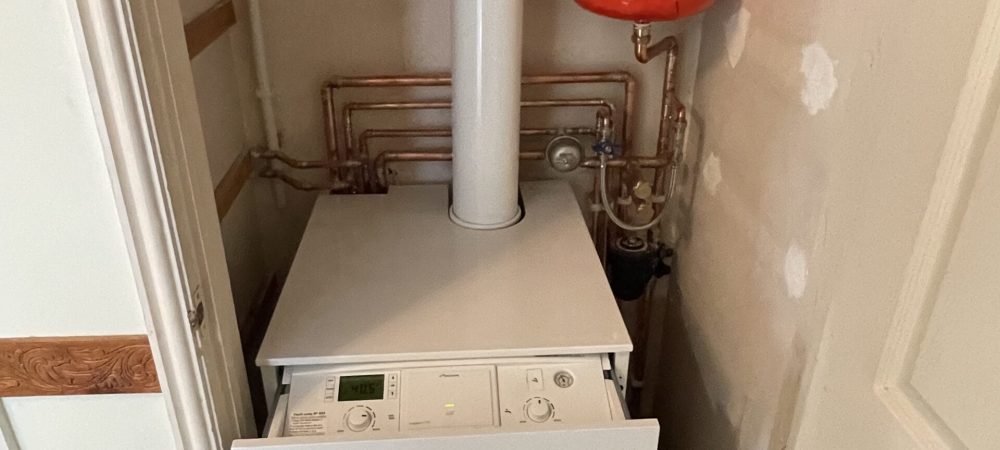
Before choosing equipment, a good survey should review the fuel tank, flue route, controls, pipework, hot water demand, radiators and future plans. This gives the new system a stronger chance of working well for years.
Start With the Main Reason for Change
A replacement project should begin with one clear question. What problem needs solving?
Some Norfolk homes suffer regular breakdowns. Others use too much fuel, heat slowly, produce poor hot water or no longer suit the layout. Meanwhile, a growing family, new bathroom or extension can change demand.
A useful survey should check:
- recent faults
- fuel use
- warm-up times
- hot water use
- radiator performance
- controls
- service history
- property changes
This avoids a simple swap that fails to solve the real issue.
Check Whether the Same Boiler Type Still Makes Sense
A like-for-like change can work in some homes. However, it should never become the default choice without checks.
A small Norfolk cottage may need a different setup from a large family house. Likewise, a home with several showers may need stronger stored hot water planning.
If the property has changed over time, the old boiler type may no longer fit. A survey should consider how the home works now, not how it worked when the current appliance was fitted.
Review the Oil Tank and Fuel Line
The appliance depends on a safe and steady fuel supply. So, the tank and visible fuel line should always form part of the survey.
An engineer may check the tank base, location, condition, fittings, access and pipe route. If the tank shows wear or sits in a poor position, it may need attention before the upgrade.
This matters because a new appliance still relies on the external supply. If that part remains weak, reliability may suffer.
Plan the Flue Route Carefully
Modern condensing oil boilers need careful flue planning. The outlet position, plume direction, nearby windows and surrounding walls can all affect the design.
An older flue route may not suit a newer model. Also, extensions or layout changes may have altered what works safely.
Ventilation, access and termination points need proper thought. Therefore, the flue should sit near the start of the plan, not at the end.
Upgrade Controls Where Needed
New equipment cannot fix poor control on its own.
Old timers, basic thermostats and limited zoning can make a home harder to manage. Better controls may improve comfort and help reduce waste.
A survey should look at how each area heats. It should also check whether controls suit daily routines, room use and household patterns.
This can make the finished system feel easier to live with.
Check Radiators and Circulation
Heating performance depends on the full circuit.
Cold spots, slow warm-up times or uneven rooms can point to sludge, trapped air, weak circulation, old valves or undersized radiators. If these problems stay in place, the new oil boiler may not perform as expected.
Sometimes, balancing or valve changes may help. In other cases, system cleaning or wider upgrades may give a better result.
Think About Servicing Access
Oil boilers need regular servicing. Therefore, the installation should allow safe and practical access.
A cramped location can make future maintenance slower. Poor access can also make repairs more awkward and disruptive.
Before work starts, consider:
- engineer access
- service space
- tank access
- filter location
- flue inspection
- safe working area
- future part replacement
- Good planning makes long-term care simpler.
For routine servicing, see our boiler servicing page.
Consider Long-Term Heating Plans
Oil heating can still make practical sense for many Norfolk off-grid homes. However, future plans should still shape the decision.
Some homeowners may want better insulation, improved controls, radiator changes, cylinder upgrades or lower-carbon options later. These choices may affect what makes sense today.
A practical plan should balance comfort, cost, property needs and future flexibility. As a result, the upgrade will fit both current use and later goals.
Choose the Right Setup for the Property
The best result comes from matching the design to the building.
A Norfolk farmhouse, bungalow, rental home, cottage or large family property may each need a different approach. Tank condition, hot water use, flue options, controls, radiator layout and access all matter.
Allstar Systems takes a practical, property-led approach to oil heating work across Norfolk. The aim is simple. Recommend a solution that performs well, remains serviceable and suits the home.
For company details, see our about us page. To discuss your options, contact our team.
Book an Oil Boiler Replacement Survey in Norfolk
Replacing an oil boiler should improve comfort, reliability and control. Yet the best results come from checking the whole setup first.
If your current appliance keeps failing, costs too much to run or no longer meets demand, Allstar Systems can help.
Contact our team to arrange an oil boiler replacement survey in Norfolk.
FAQS
How do I know if my oil boiler needs replacing?
Common signs include repeated faults, rising repair costs, poor hot water performance, weak control, and inefficient heating. Older oil appliances can be far less efficient than modern condensing models.
Should I replace the oil tank at the same time?
Not always. However, OFTEC says annual servicing should include checking the fuel storage tank and associated pipework, so the tank should always form part of the assessment.
Are modern oil boilers more efficient?
Yes. OFTEC says older appliances are typically around 60 to 70% efficient, while modern high-efficiency condensing appliances are normally more than 90% efficient. Energy Saving Trust also says condensing boilers are more efficient than older boilers because they reuse heat from flue gases
Does a new oil boiler fix poor heating on its own?
Not always. If the wider system has dirty water, poor circulation, old controls, or emitter issues, those problems can still affect performance after replacement.
How often should an oil boiler be serviced?
OFTEC says liquid fuel-fired appliances should be serviced at least annually, and that service should include checks on the tank, pipework, and, where applicable, flue and ventilation openings.
Should I consider alternatives to oil before replacing it?
In some homes, yes. Energy Saving Trust says the Boiler Upgrade Scheme in England and Wales can provide grant support for certain low-carbon systems, including heat pumps and some biomass boilers.