



Low Water Pressure: Causes, Fixes and Best Solutions
Low water pressure in Norwich and across Norfolk is a problem that many households face. The force that water has as it passes through your property’s pipes is referred to as water pressure. Anglian Water states that the first thing to do is to check whether the low water pressure starts at the property, as opposed to within the water company’s supply. Allstar Systems also states that there is a solution to the issue of low water pressure in the home, specifically according to the demands of the property and its water supply.
Low water pressure can lead to many challenges for a property. For instance, if there is poor water pressure, this can impact the performance of many appliances that use water within the property. Additionally, there may be challenges with using several outlets at once within the property. WaterSafe states that the water pressure within a property can differ based on a variety of factors, such as the property itself, the type of appliances used in the property, and the demands on the water supply in that area.
For homes within Norwich and across Norfolk, low water pressure does not always have to be fixed by installing a water pressure pump or upgrading the water systems in the property. Instead, This might be down to flow rate, there may be a partly closed stop tap or a blocked tap aerator within the property. Additionally, it is also possible that the issue is related to the supply of water that comes into the property. In any case, there are various causes of low water pressure in a home, as well as a variety of methods to increase the water pressure and flow rates within that home.







What causes low water pressure in a home?
There are several possible causes of low water pressure in a home. The first thing to do is to check whether the low water pressure affects the whole property or just one outlet. If the outlet that is experiencing the issues is the only one with low water pressure, Crosswater suggests that the issue may be related to the blockedness of the outlet’s tap aerators or its filter cartridges.
If the issue affects the whole property, Anglian Water recommends checking the stop tap within the property, as well as the taps that affect the hot water system within the home. Ofwat also suggests checking the stop tap to see whether it is partially closed, or whether there is a leak within the property.
WaterSafe also suggests that the water pressure within a property may be affected by the location of that property, the types of appliances in the home, and the water demands of other customers in the water supply network. Additionally, the water pressure may decrease during busy periods of the day. Allstar Systems also notes that the property may have an issue with its supply of water pipes, as many properties in this area of the UK are laid out with many of these ageing and undersized water supply pipes.
Common causes of low water pressure in homes
Anglian Water and Ofwat both state that the first thing to check for low water pressure is the stop tap within the property. Additionally, that one common cause of low water pressure is in the possibility of a blocked tap aerator or cartridges at each water outlet in the home. This could be due to limescale build up of no hard water protection at the property.
Furthermore, it is also possible that there are leaks in the property, which would reduce the overall water pressure in that home. Anglian Water and Ofwat both state that if the property itself is the cause of the low water pressure, then this should be ruled out before the customers begin to consider the supply company that provides the water.
It is also possible that the supply of water pipes into the property is too small for the demands of the property. Old lead piping certainly can refer to this and cause significant flow rate issues to a dwelling. Salamander states that if the supply water pipes are too small in diameter, there will be a reduced flow of water.
It is also possible that the water pressure supplied to the property itself is weak. WaterSafe states that the water supply into a property can even change throughout the day; low pressure can exist in the property at 6:00 a.m. but strong water pressure can be felt later during the evening when there are more demands on the water supply. Anglian Water also states that if there is a known issue with the supply of water into an area, then there may be an issue with the supply into the property that needs to be ruled out.
How to increase low water pressure in a home
There are several steps that may help to increase the low water pressure that is found in a home. These solutions can help to resolve the problem depending on the cause of the water pressure issues.
Check whether the issue is with only one outlet or the whole house
The first thing to do is to check which outlets are affected by low water pressure. For example, if only the kitchen sink’s cold tap shows low water pressure, then it may be related to the sink tap itself. However, if the problem is found throughout the house, then there may be an issue with the stop tap or the supply of water into the property.
Make sure the stop tap is fully open
Anglian Water and WaterSafe both state that the first thing to check within a home for low water pressure is to ensure that the stop tap is fully open. This will ensure that water can flow rates through the property normally.
Clean the blocked aerators and filters
Crosswater states that the most common cause of low pressure at just one outlet is the blockedness of that outlet’s aerator or its filter within the tap cartridges. Therefore, cleaning these will allow for better water movement at that tap increasing the flow rates.
Check for leaks
Additionally, Ofwat and Allstar systems state that there may be leaks within the property. These can reduce the water pressure within the home, especially if they are not immediately visible when using the property. Turing the internal stop cock off, monitor the water meter externally. Any movement this indicates there is a potential leak from the water meter leading to inside stop cock within proprerty.
Upgrade the supply water pipes
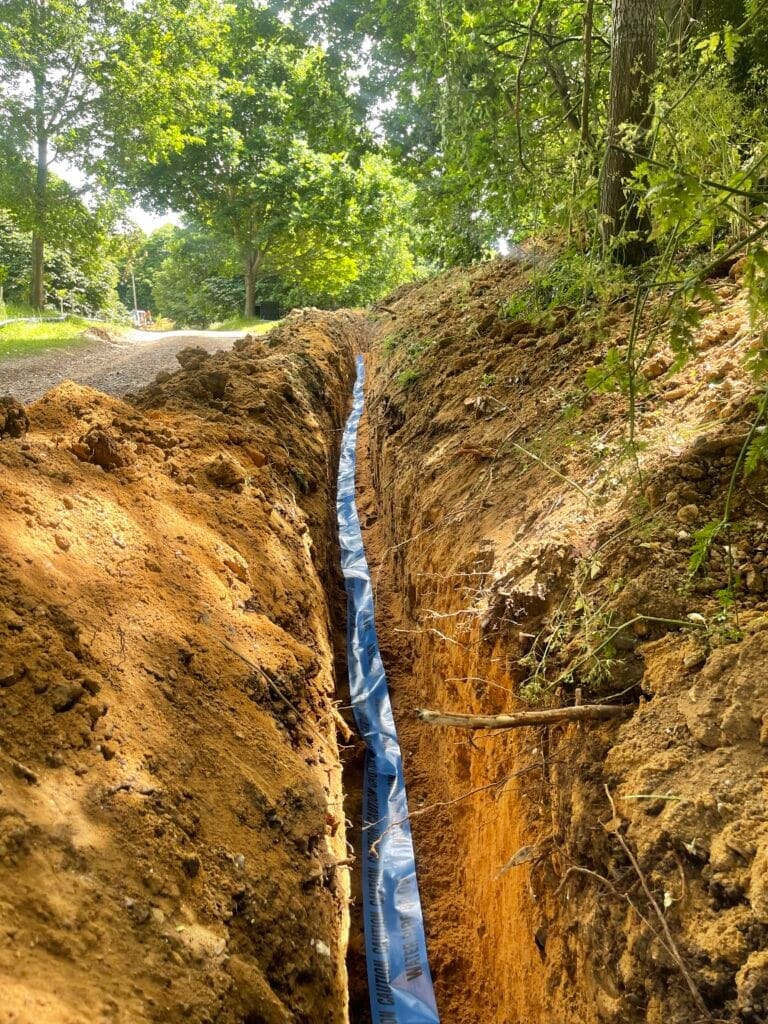
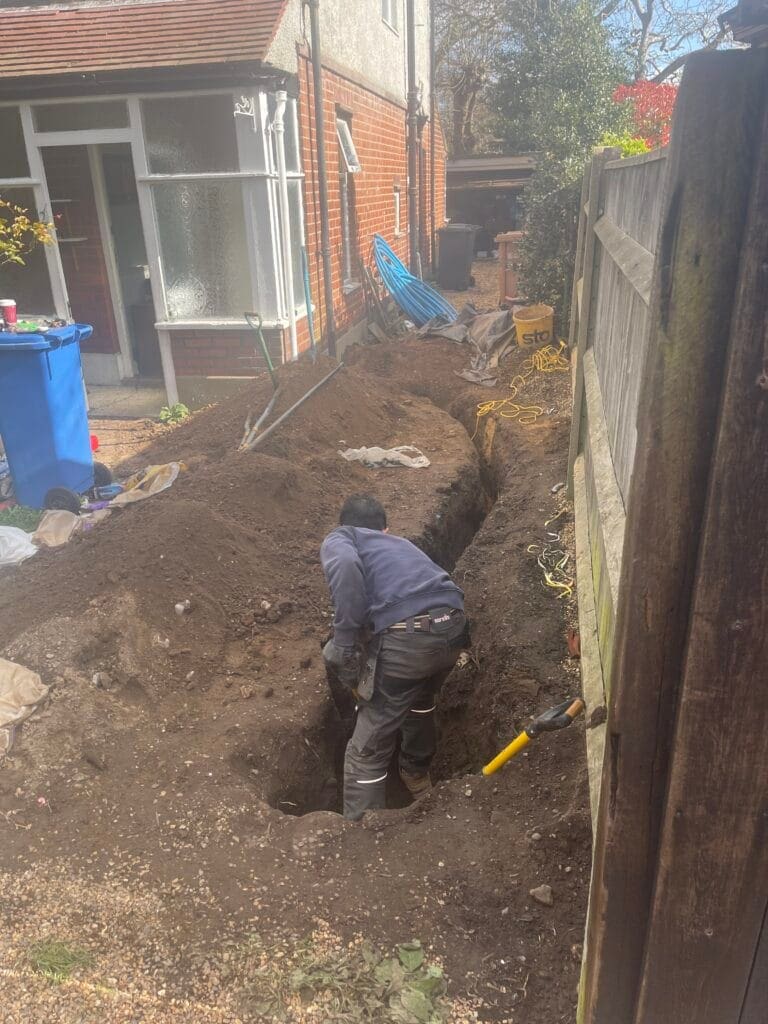
Allstar also states that many properties in Norwich and Norfolk suffer from these issues with their supply water pipes, as they were installed many years ago with lead pipes and small supply water mains. Ensuring that these supply water pipes are upgraded may fix the issue with low water pressure in the home.
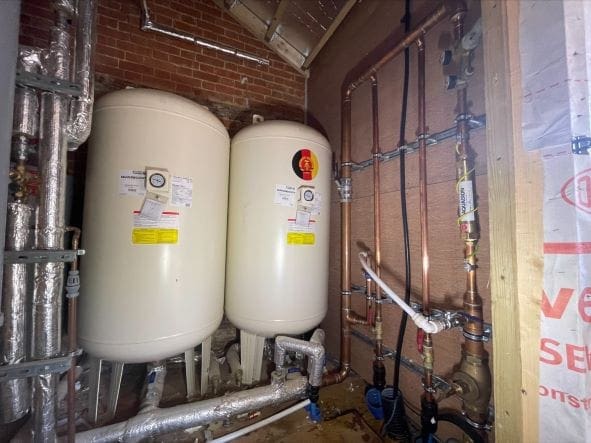
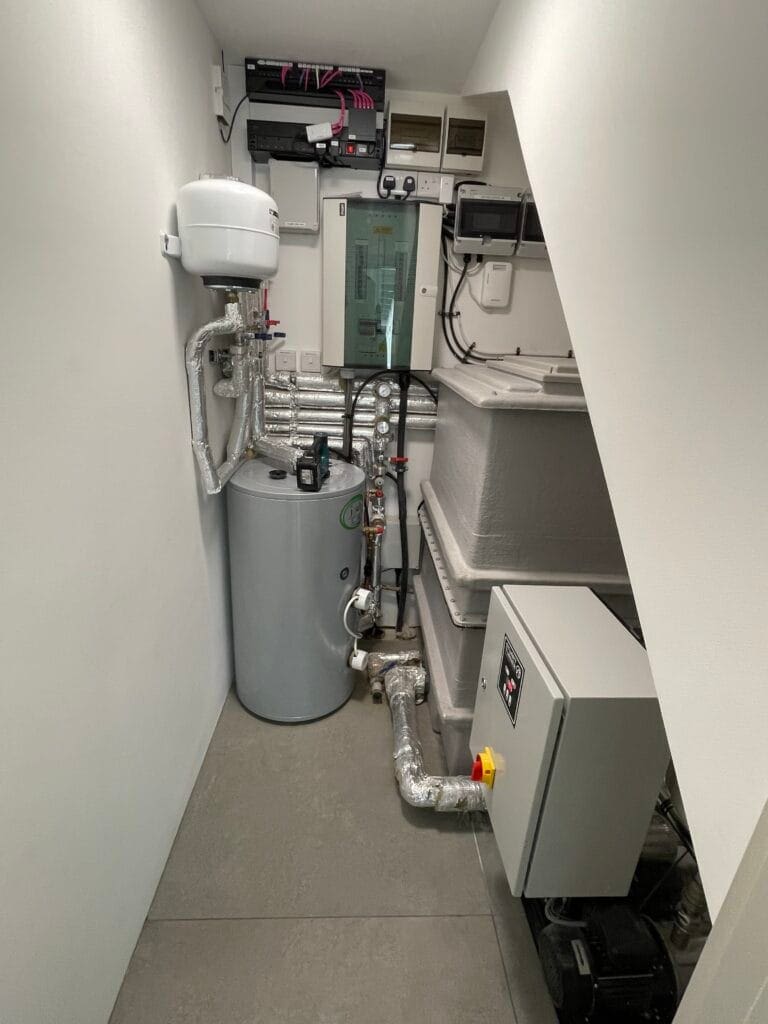
Install a boosted water system
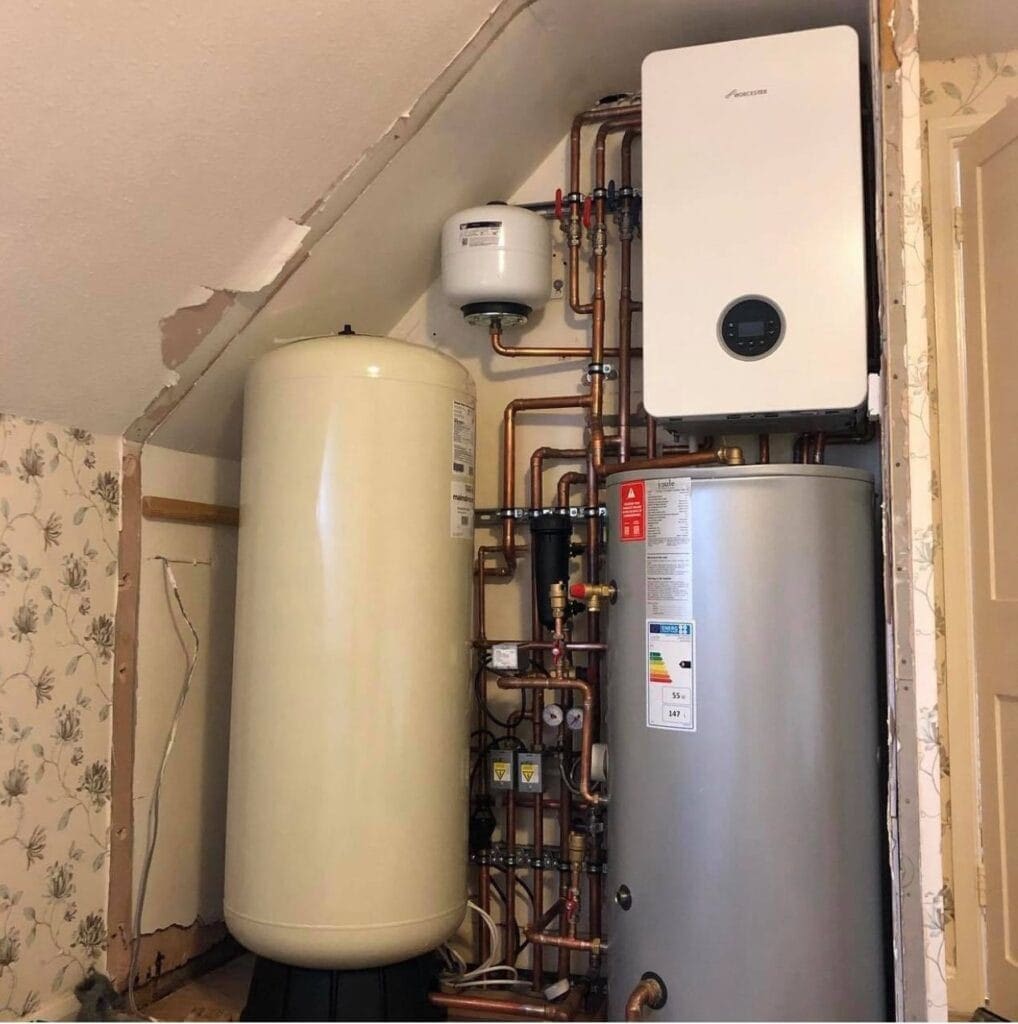
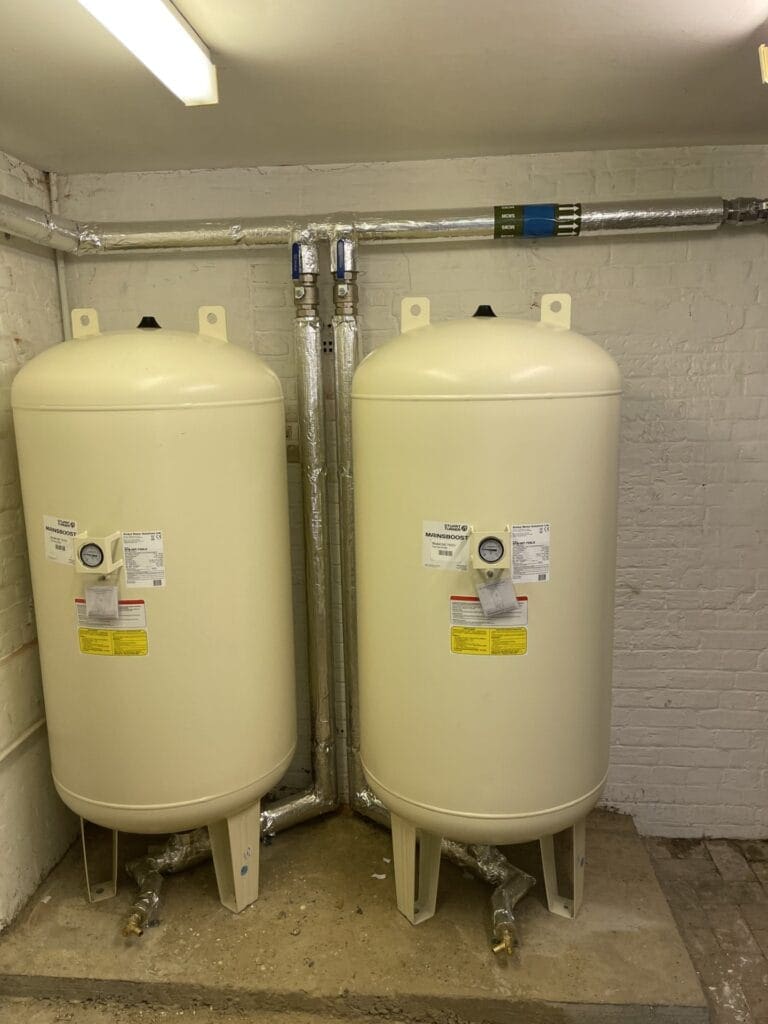
Another solution to low water pressure in a home is to install boosted water systems in Norwich. Allstar Systems state that these systems come in a variety of designs and can be installed in such a way that the issues with supply water mains are ruled out before the installation of the system. For example, all of the supply water mains into the property may be checked for adequate diameters before installation is allowed to proceed. Salamander and Allstar state that products such as mains booster products, inline pumps, and accumulator tanks can be installed to help improve the water pressure and flow from the mains water supply within domestic installations.
Can larger pipes improve the water pressure in my property?
In some cases, yes. The flow of water through the property’s water pipes can be related to the size of those supply pipes. Salamander states that if more water is able to flow through a set of supply pipes than through another of the same length, then the larger pipes will allow for a better flow of water through the property. Additionally, Allstar also states that the issue within many properties in Norfolk and Norwich is with their undersized supply water pipes that were created years ago.
Consider installing an unvented hot water system
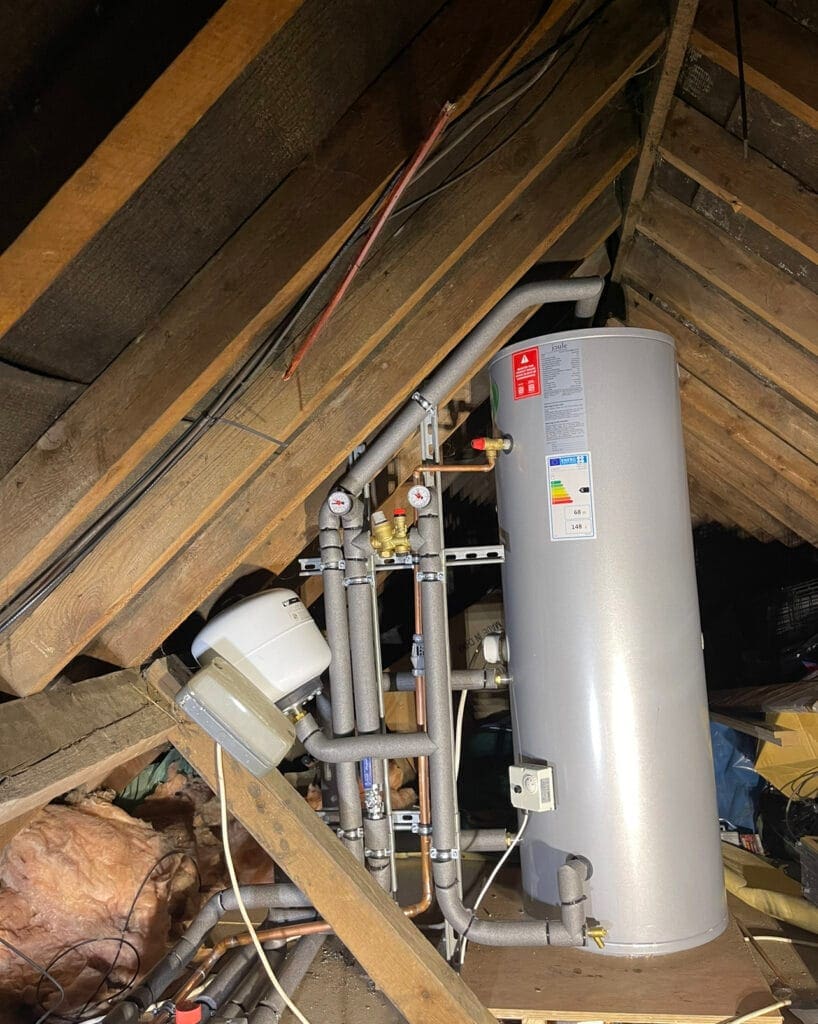
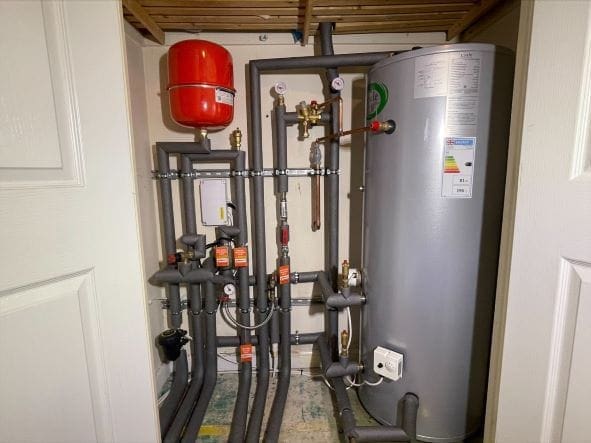
In the same fashion that boosted water systems can be installed into the supply water of a property, unvented hot water systems can also be installed into the property to improve its performance. Specifically, unvented systems will allow the water stored in the property to be under the same water pressure as that supplied to the property from the mains water supply. Therefore, the flow of hot water will be stronger at the showers or taps within the property. Allstar states that the system will need to be of the correct size and installed correctly into the property’s water supply system.
Will an unvented water system solve my low water pressure issues?
It is possible that installing an unvented water system will resolve the water pressure issues within a home, but only if the property itself is suitable for such a system. Allstar states that these systems will store the water within the property under the same water pressure as the supply water mains. This will, therefore, result in a stronger flow of hot water to taps and showers in the property. However, the system will need to be sized to the requirements of the property and its existing water supply and pipework.
Additionally, safety regulations must be adhered to when installing such a system. For instance, Approved Document G states that the unvented system should have independent safety devices to ensure that the water does not boil within the tank, as well as have an arrangement to allow for the discharge of that steam within the property. Allstar also states the same, as they require specialist knowledge to install an unvented water system.
What are the benefits of fixing low water pressure in my home?
One of the main benefits to increasing the water pressure in a home is increased convenience. For example, if there is a stronger pressure within the property, then there will be better performance of the showers, baths can be filled faster, and there will be less difficulty in using several outlets at once. Allstar states that the systems will improve the performance of all taps and showers within a home. Additionally, there may be a benefit in terms of the saving of time when using the water in the property, especially if the water pressure was previously a problem with one or two outlets only.
What are the benefits of fixing low water pressure in my home?
One of the main benefits to increasing the water pressure in a home is increased convenience. For example, if there is a stronger pressure within the property, then there will be better performance of the showers, baths can be filled faster, and there will be less difficulty in using several outlets at once. Allstar states that the systems will improve the performance of all taps and showers within a home. Additionally, there may be a benefit in terms of the saving of time when using the water in the property, especially if the water pressure was previously a problem with one or two outlets only.
When should I call a professional to fix the low water pressure in my Norwich or Norfolk home?
A professional plumber in Norwich should be contacted in the following instances:
The low water pressure is throughout the whole house
Only one shower or tap has the low water pressure
The flow of water from taps decreases if another outlet is running at the same time
There is a suspected leak in the property
The supply water pipe into the property is thought to be old or made of lead
A boosted water system is to be installed
An unvented water system is to be installed
Several other benefits and issues with the water in the home require the expertise of a professional plumber.
Ofwat suggests that the first thing to do in the instance of low water pressure is to rule out any issues within the property. Only after doing so should the water company in the area be contacted.
Allstar also states that any issues related to water pressure should first be ruled out within the supply water mains into the property. Based on the type of property and how the water is used, a plumber may be able to offer several options for treating the issue within the home.
In the installation of unvented water systems, a great deal of care must be taken to ensure that the systems adhere to safety regulations as noted in Approved Document G of the building regulations. Allstar also states that such a system requires specialist knowledge to install correctly.
Solving Low Water Pressure Problems in Norwich and Norfolk
Low water pressure is a problem that can be frustrating to those in the area of Norwich and Norfolk. However, there are solutions according to the causes of the issue. For very simple issues, such as a partly-closed stop tap or a blocked tap aerator, the homeowner may be able to fix those issues themselves. However, in more complex homes, a water supply pipe upgrade, water booster system, or unvented hot water system may be required.
However, each of these solutions was suggested by the water companies that supply water to the region, as well as all of the companies that provide unvented water systems to the properties. Therefore, a diagnosis of the issues within the property will allow homeowners to fix the problem correctly.Solving Low Water Pressure Problems in Norwich and Norfolk
FAQs About Low Water Pressure
What causes low water pressure in a house?
Possible causes include a partly closed stop tap, blocked tap aerators, leaks in the plumbing, failing valves, low pressure from the water mains supplying the property to the property, or an old water supply system.
Can a blocked tap aerator cause low water pressure?
Yes. Crosswater says that one of the most common causes of low water flow in the home is the presence of blockages in the water supply system – restricted aerators in kitchen and bath taps, and blocked filters within the tap cartridge.
Will opening the stop tap improve water pressure?
In some instances, yes. Anglian Water suggests that the first thing to do when experiencing low water pressure is to check that the internal tap stop is fully open.
Can a booster pump increase water pressure?
Yes, but only in certain instances. Allstar says that a boosted water system may be the solution to a low water pressure problem in the home. However, the system must be correctly specified to the incoming water supply system. Furthermore, Water Regs UK says that water boost pumps of 12 litres per minute or above will trigger notification requirements to the water company.
Will an unvented hot water system fix low water pressure in the home?
In some instances, yes. Allstar suggests that an unvented water heater will allow the water to remain under mains water pressure, enhancing the water pressure at taps in the home that are utilising the hot water system. However, the home must have an incoming water supply system that can support such a hot water system.
What should the mains water pressure be?
The statutory service standard level of water pressure delivered by the water company to the property is 10 metres head (approximately 1 bar). This is the pressure that is measured at the point where the water company’s pipework ends and the homeowner’s water supply begins. The guaranteed minimum water pressure that is supplied by water companies is 7 metres of static head.
Why is only one tap affected by low pressure?
If one tap is affected, the cause may be a blocked aerator, restricted tap cartridge, faulty tap, partly closed isolation valve or local pipework issue.
Why is only my hot water pressure low?
Low hot water pressure may come from a cylinder issue, blocked filter, scale build-up, faulty valve, airlock, gravity-fed system or unsuitable hot water setup.
Can a blocked shower head cause poor pressure?
Yes. Scale and debris can restrict a shower head or hose, making the shower feel weak even when the wider water supply is fine.
Should I check water pressure before a bathroom renovation?
Yes. Water pressure and flow should be checked before choosing showers, taps or high-flow fittings.
When should I call a plumber for low water pressure?
Call a plumber if pressure remains poor after simple checks, affects the whole property, appears suddenly, or may relate to leaks, hot water systems, pipework or booster options.