



Energy Saving Tips: Practical Ways to Lower Household Bills
High household bills often come from dwellings that take long time warming up or have issues within rooms that are heated. Whilst there is no one solution for every property, there are a few changes that are worth considering in reducing amount of waste and cost of warming a property.
Using boiler, radiators, controls and hot water more efficiently may support significant savings for most households. A few of these changes and checks are worth considering before spending money on an upgrade.
Why household bills could rise
Many households waste heat because of inefficient boilers, cold air gaps in rooms, issues with radiators, lack of insulation, issues with heating systems that are often caused by inefficient habits of homeowners.
Hot water in many households may also lead to high bills if residents take long showers or use baths that consume large amounts of water, hot water cylinders are poorly insulated, or habits of homeowners are inefficient with hot water use.
Additionally, issues with heat source such as sludge build up, may cause a boiler working harder than necessary.
Simple energy saving tips
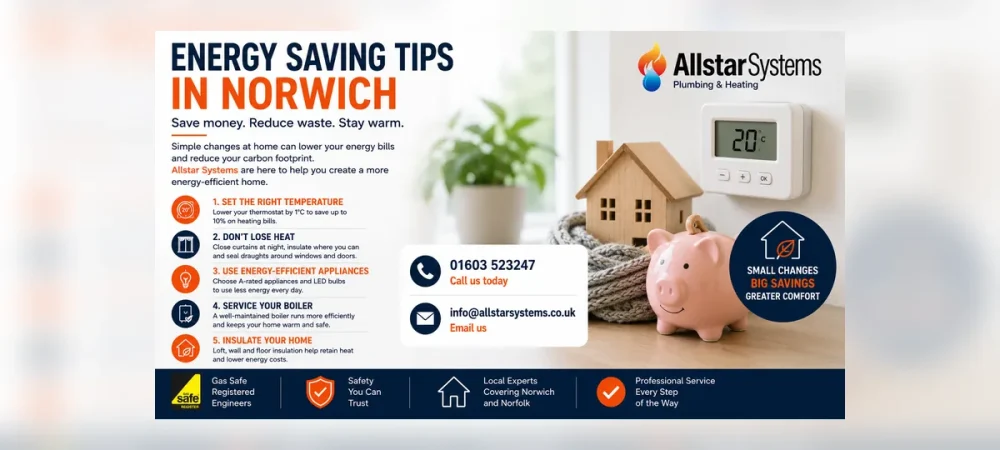
Some easiest changes in make of an existing dwelling, are worth considering routines of homeowners. Having controlled heating time when residents are at home. This will use sensible temperatures in rooms that are used most by residents.
Checking for air leaks in household may also lead to savings. Homeowners should never block vents from radiators as this may create issues.
Reducing length of shower times, using cold water when washing clothes, turning appliances off when not in use could lead to savings over time.
How heating controls could help
To use heating controls such as programmers, thermostats, thermostatic radiator valves and smart thermostats allow homeowners having better control over temperature within a property.
For instance, thermostatic radiator valves when adjusted to reduce energy that goes into unused rooms. Additionally, using a thermostat will stop the heat source from running when the required temperature is achieved.
These controls, however, must be installed correctly. If the timer, thermostat, and radiator valves are all working against each other, rooms may never reach set temperature that the homeowners desire. A heating engineer visit to will ensure that such controls work correctly.
Boiler and radiator efficiency
Ensuring that the heat source is well-maintained will significantly improve the efficiency, compared with a boiler that is ignored and used without maintenance.
Most boilers should be serviced once a year for their safety, condition, and performance, as well as to identify any issues in the future.
Radiators also checked for any issues with performance. Radiator balancing, magnetic filters, inhibitor additions or cleanings will significantly improve efficiency of radiators.
Whilst not every property requires these changes, a heating engineer could investigate such issues to identify whether changes will save money on the property.
Gas, oil and lPG homes
Like boilers, all types of systems that use gas, oil or LPG may benefit from maintenance and controls. Controls and maintenance requirements for oil and LPG systems may be significantly different from the gas systems.
Need help to lower waste
If homeowners feel that their property is spending too much money energy, a visit from a professional engineer may be just what the property needs to reduce waste and unnecessary costs.
FAQs About Energy Saving Tips
What is the easiest way to save energy at home?
Start with simple habits, such as using heating controls properly, reducing wasted hot water, closing curtains at night and turning off unused lights and appliances.
Does turning the thermostat down save energy?
It can reduce energy use, especially if the heating normally runs for long periods. However, comfort and health needs should always come first.
Do smart thermostats save money?
Smart thermostats may help if they improve scheduling and reduce wasted heating. However, they do not fix poor insulation, faulty boilers or radiator problems.
Can boiler servicing reduce energy bills?
Servicing helps support safe and reliable operation. It may also identify issues that affect performance, but its main value is safety, reliability and early fault detection.
Why are some rooms colder than others?
Cold rooms may come from poor insulation, radiator sizing, trapped air, sludge, poor balancing, draughts or control issues.
Do radiator valves help save energy?
Thermostatic radiator valves can help reduce wasted heat in rooms that do not need to stay as warm. However, they work best when the system is balanced.
Is hot water a major part of energy use?
Hot water can contribute significantly to energy use, especially in busy households. Shorter showers, good cylinder insulation and correct controls may help.
Should I replace my boiler to save energy?
Not always. Servicing, controls, radiator work or system improvements may help first. However, replacement may make sense if the boiler is old, unreliable or inefficient.
Does draught-proofing help?
Yes, draught-proofing can reduce unwanted heat loss. However, never block ventilation needed for safe appliance operation or healthy indoor air.
When should I call a heating engineer?
Call a heating engineer if the boiler is overdue a service, radiators heat unevenly, controls are outdated, hot water is poor or energy use seems unusually high.