





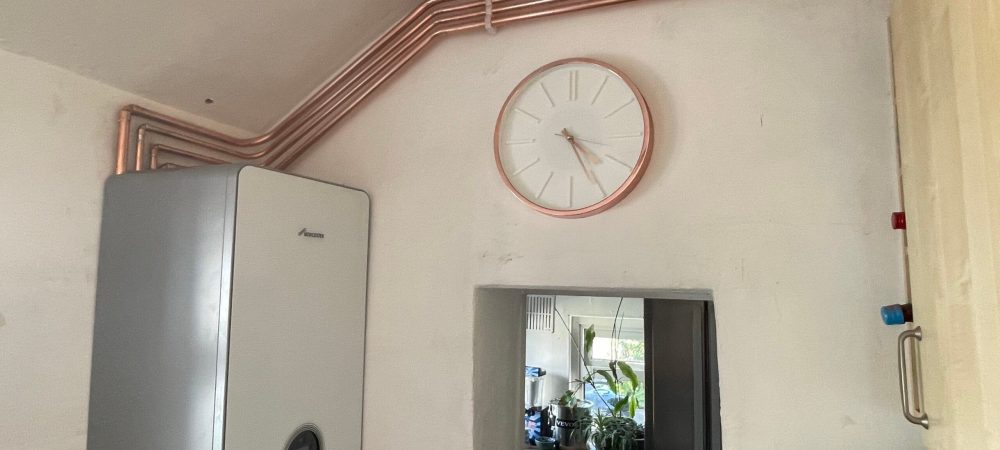
Boiler and Heating Planning for Wells-next-the-Sea Second Homes
Second homes need a different heating plan from full-time homes. A property that sits empty for days or weeks must still feel warm, safe and ready when owners return.
In Wells-next-the-Sea, this matters even more. Coastal weather, older cottages, holiday homes and exposed buildings can all place extra demand on heating, hot water and controls.
A good plan should suit how the home gets used. It should also consider the boiler, radiators, circulation, pipework, controls and colder months.
Allstar Systems helps Wells-next-the-Sea homeowners review their heating setup before small problems become stressful.
Why Empty Periods Change Heating Needs
A Wells-next-the-Sea home that remains empty between visits does not run like a normal daily residence.
Temperatures can drop while nobody is there. Damp air can affect comfort. Also, radiators and heating controls could not get regular use.
When owners return, they usually want the property to warm quickly. If the setup performs poorly, the first day back can feel cold and frustrating.
Therefore, heating advice should reflect occupancy, season, property age and coastal exposure.
Comfort When You Return
A second home should feel easy to use.
When you arrive in colder weather, the heating should respond well. Radiators should warm evenly. Hot water should recover properly. Controls should be simple to manage.
If the boiler struggles, the whole stay can feel less comfortable. Rooms may take too long to warm. Some areas may stay cool. Also, older controls can make the system harder to use.
A review can highlight simple improvements before the next visit.
Why Controls Make a Big Difference
Good controls help second-home owners manage comfort more easily.
A timer, programmer, thermostat or smart control can make a property easier to warm before arrival. It can also help maintain sensible background temperatures during empty periods.
Better controls may support:
- clearer heating schedules
- steadier room comfort
- simpler winter management
- less wasted energy
- better response when owners arrive
- easier use for guests or family
The right option depends on the property and how often people stay there.
Heating Checks Before Winter
Autumn is a sensible time to review a second home.
Before colder weather arrives, an engineer can check the boiler, radiators, valves, controls, pressure and visible pipework. This helps find worn parts, leaks, poor circulation or control issues early.
A pre-winter check gives owners time to arrange repairs. It also lowers the risk of arriving to a cold property during busy or wet weather.
For holiday homes, early checks can also help before guest stays or peak visitor periods.
Radiators, Flow and Balance
A boiler is only one part of the wider heating setup.
Radiators need steady hot water flow to warm each room. If circulation is poor, some areas heat slowly while others become too warm.
Common causes include trapped air, sludge, stuck valves, weak pump performance or poor balance.
Balancing helps hot water move more evenly around the property. This can improve comfort in larger homes, older cottages and coastal properties with uneven room temperatures.
Where suitable, system cleaning or radiator work may also help.
When Boiler Servicing Should Be Planned
A yearly service helps keep the boiler safe, efficient and reliable.
For Wells-next-the-Sea second homes, timing matters. Booking before winter or before busy visitor periods gives owners more control.
During a service, an engineer can look for wear, leaks, pressure issues, control faults and safe operation. They can also advise whether repairs or upgrades make sense.
This helps reduce the risk of breakdowns when the property is needed most.
Why Coastal Homes Need Practical Advice
Wells-next-the-Sea properties vary widely.
Some are older cottages with dated pipework. Others are seafront homes, holiday lets, rural properties or modern second homes. Each one has different heating demands.
Coastal conditions can also affect comfort. Wind, damp air and exposed walls may make some homes harder to warm during colder months.
Because of this, advice should never follow a fixed checklist. It should match the building, its use and the way owners manage visits.
Signs Your Second Home Needs a Heating Review
It is worth arranging a check if you notice:
- rooms warming slowly
- radiators staying cool
- hot water taking too long to recover
- the boiler needing frequent resets
- pressure changing often
- unusual noises
- older controls feeling hard to use
- some rooms overheating
- higher running costs
- cold rooms after arrival
These signs do not always mean a major fault. However, they show the setup needs closer attention.
Helpful Advice Near Wells-next-the-Sea
Allstar Systems supports homeowners with boiler servicing, heating checks, radiator advice, control upgrades and wider plumbing support.
A visit can review how the property performs during occupied and empty periods. It can also highlight repairs, improvements or future upgrade options.
This gives second-home owners clearer choices before colder weather or visitor stays.
Book Second Home Heating Advice in Wells-next-the-Sea
If your property is not used every day, plan heating care around how the home really works.
The right advice can improve comfort, reduce stress and help protect the building during colder months.
Contact Allstar Systems to discuss boiler and heating advice for your Wells-next-the-Sea second home.