Do your radiators feel cold at the bottom? Does your home take too long to warm up? Poor heat flow can often point to dirt, rust or sludge inside the heating circuit.
Allstar Systems provides power flushing in Norwich and across Norfolk for homes with cold radiators, poor flow, dirty water and slow warm-up times.
A clean circuit can help heat move more freely. However, a flush will not fix every fault. Therefore, our team checks the heating setup before recommending this service.
Allstar Systems also maintains £10 million public liability insurance for plumbing and heating work across domestic and commercial premises.
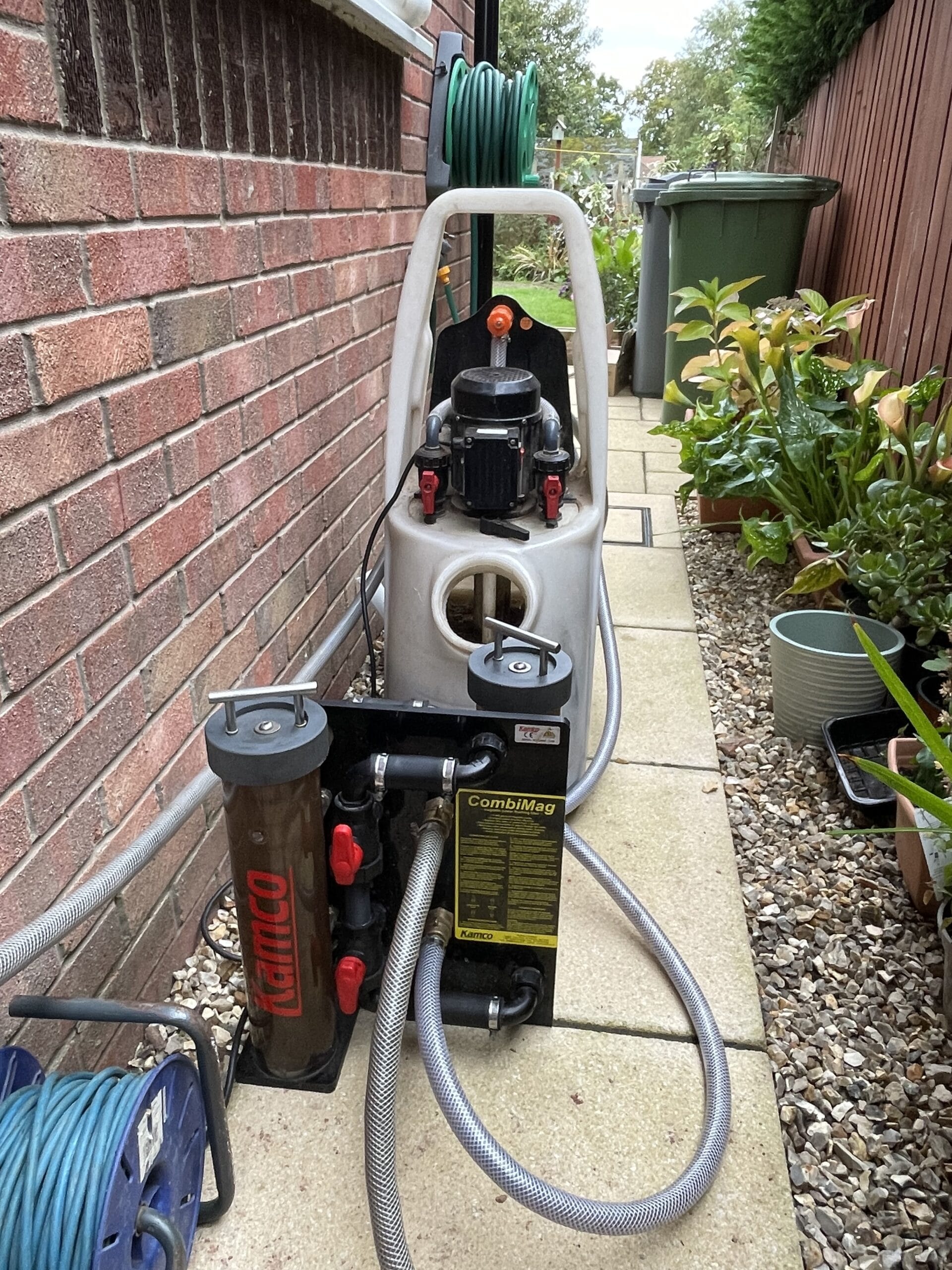
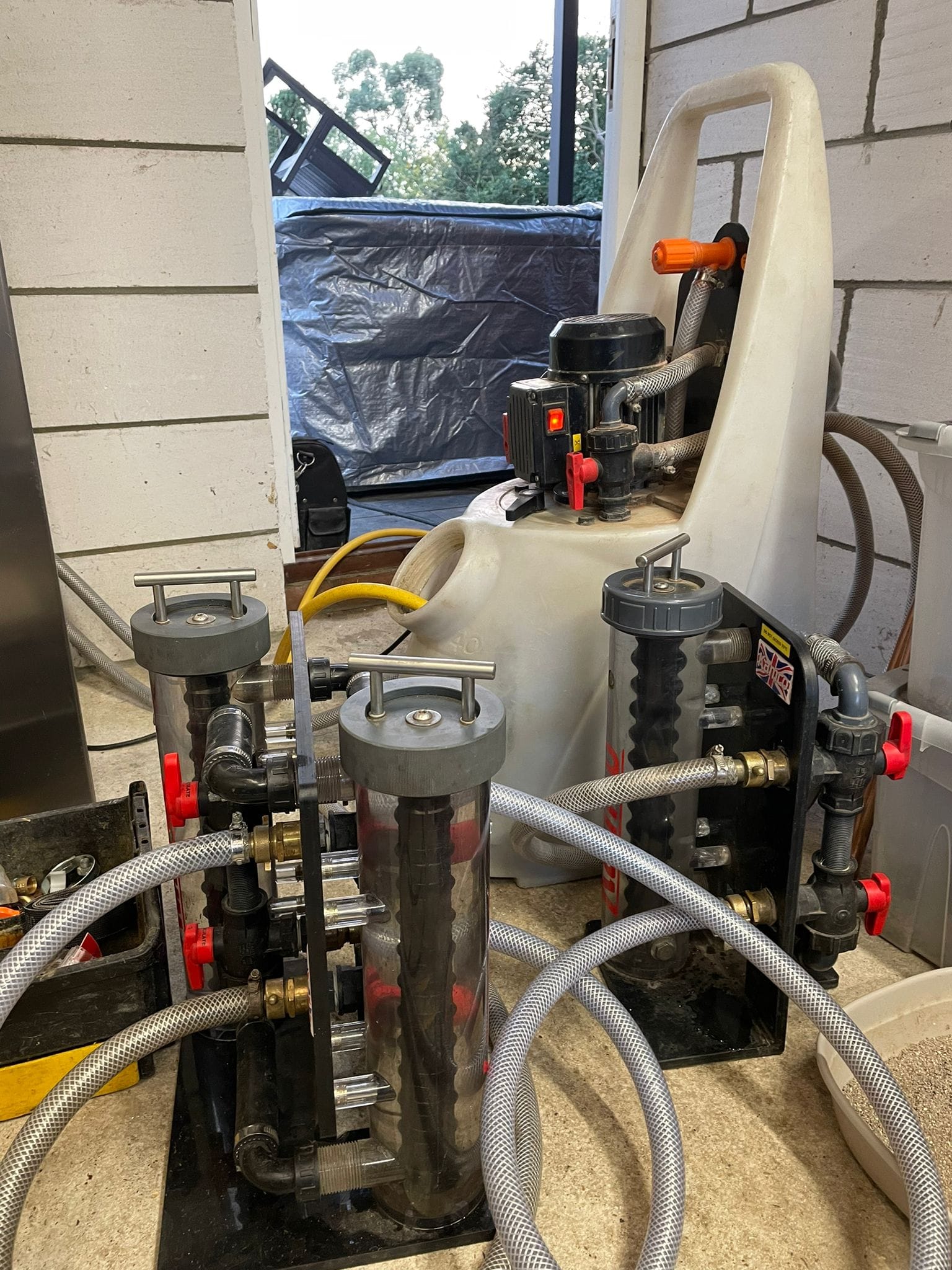
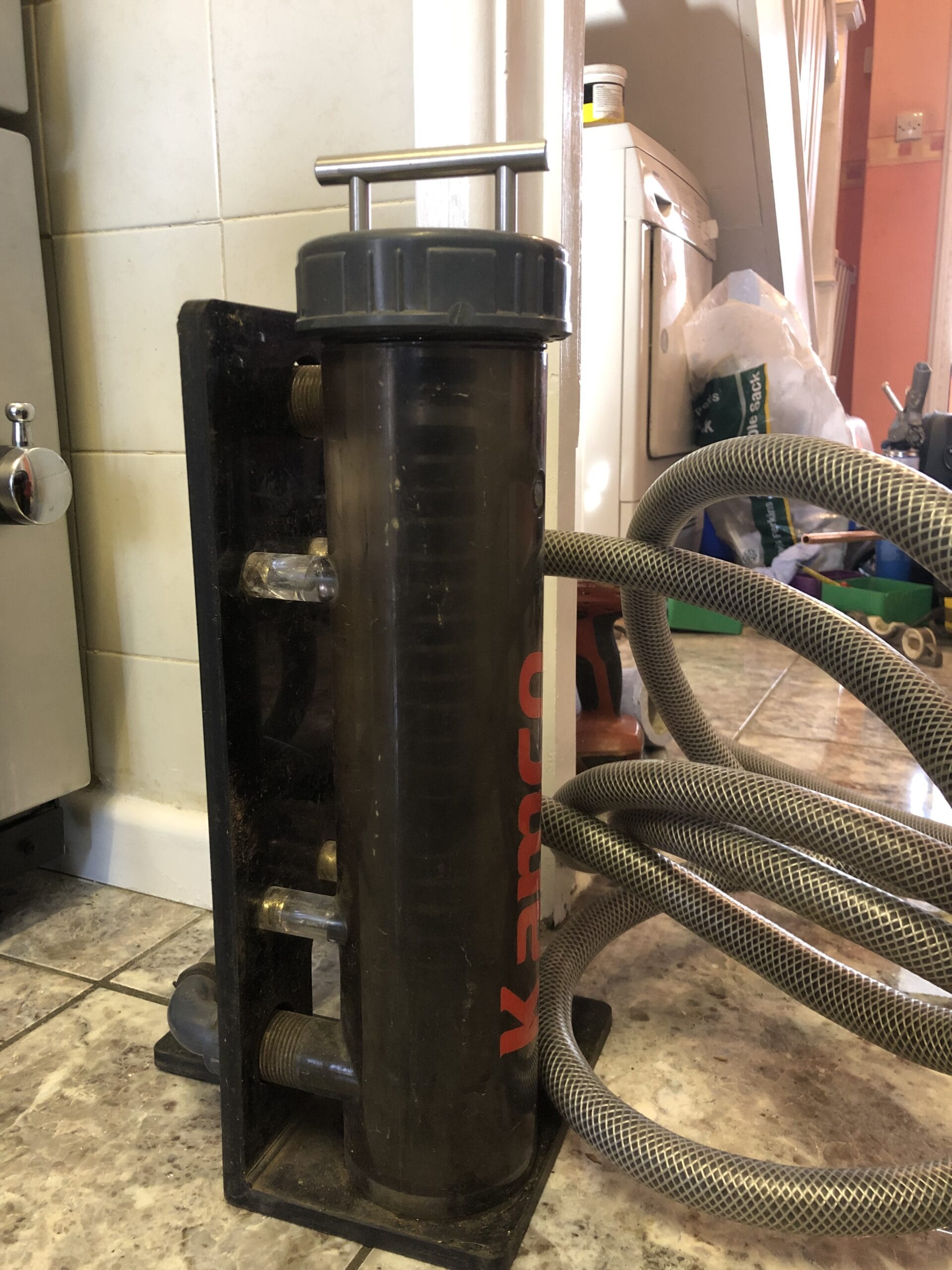
Power flushing is a cleaning process for wet central heating systems.
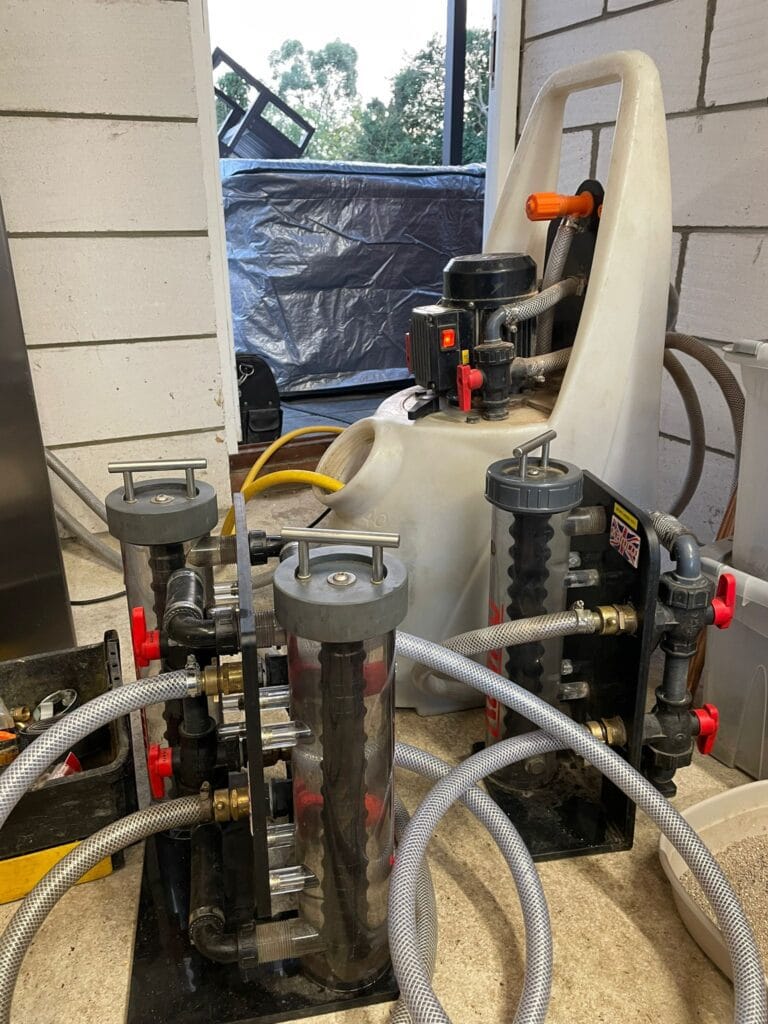
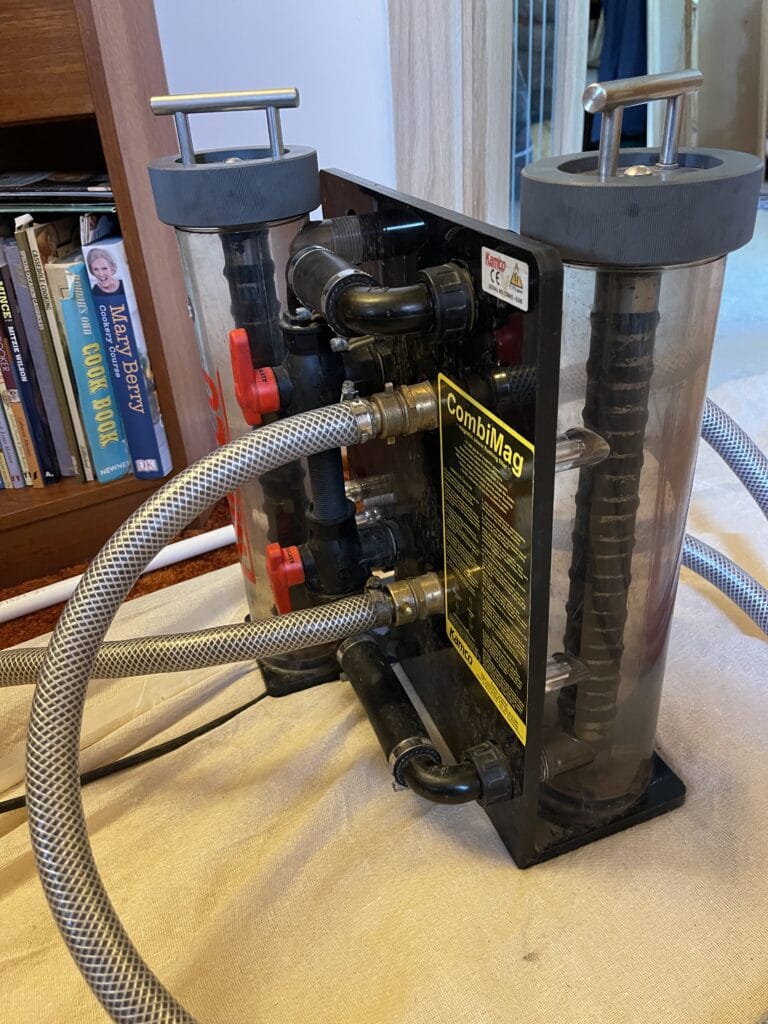
It uses specialist equipment and cleaning chemicals to move dirty water, rust and sludge out of radiators and pipework. As a result, heat can move around the property more evenly.
This may help when poor flow causes cold spots, noise or slow heating. However, the fault must be checked first.
If the issue sits with a valve, pump, control or boiler, a different repair may be better.
A wet heating circuit uses water to carry heat around the home. It also contains metal parts, such as radiators, pipework, valves, pumps and the boiler.
Over time, air and moisture can react with these parts. This can create a dark sludge called magnetite.
That sludge can settle inside radiators and narrow pipework. It is common in older homes, but newer systems can suffer too.
When dirt blocks flow, rooms may warm slowly. Also, some emitters may stay cold at the bottom.
You may need a heating check if you notice:
These signs can point to sludge. However, they can also have other causes. That is why a proper check matters before cleaning starts.
This page focuses mainly on domestic power flushing in Norwich and Norfolk.
However, Allstar Systems also supports suitable commercial premises. Larger buildings, plant rooms and business sites may need a different approach, especially where heating downtime affects staff, tenants or customers.
Radiators should warm in a steady way. If they stay cold at the bottom, dirt may be blocking the lower section.
Poor flow can also make some rooms warm faster than others. In some homes, pipework may be noisy, or the boiler may work harder than it should.
Power flushing can help where dirt and sludge are the cause. However, a full inspection should confirm this first.
Older heating circuits may contain years of dirt, rust and poor water quality.
Microbore pipework can also need careful review. Because the pipes are smaller, debris may become trapped more easily. In some cases, a standard flush may not give the best result.
An engineer should check the pipe size, age, condition and symptoms before choosing the safest cleaning method.
Heating services from Allstar Systems Ltd are supported by recognised national and local accreditations. As a Which? Trusted Trader, TrustMark endorsed company and CIPHE member, customers in Norwich and Norfolk can expect high standards throughout. With OFTEC and Gas Safe registration, plus Worcester Bosch accredited installer status, all heating work is carried out safely and to manufacturer approved levels.
Dirty water can place extra strain on the boiler, pump and valves.
If sludge reaches key parts, the appliance may become noisy or less reliable. Poor circulation may also reduce comfort in the rooms farthest from the boiler.
A clean circuit can help protect new parts. It may also support better long-term performance where dirt was the cause.
Before fitting a new boiler, the existing heating circuit should be checked.
Old sludge can move into new parts and reduce reliability. Therefore, an engineer may recommend a power flush, chemical clean, mains flush, magnetic filter or fresh inhibitor before installation.
The right option depends on the age and condition of the current setup.
Power flushing may help with:
However, cleaning is only useful when dirt is the real issue. It will not fix every fault.
A flush will not normally solve issues caused by:
For this reason, the cause should always be diagnosed first.
Sometimes cleaning is enough. However, older systems may also need other work.
A wider improvement may include new radiator valves, balancing, control changes, pipework repairs, a magnetic filter or radiator replacement.
If the heating setup is very old, cleaning may form only one part of the plan.
Radiator condition matters.
If a radiator is badly corroded, blocked or weak, replacement may be better than cleaning. If it is in good condition, a flush may help restore better flow.
Our team can check radiator output, valves, visible pipework and water condition before advising on the right route.
Heating and hot water can share parts in many homes.
If you notice poor flow, slow warm-up times or weak hot water, the issue may need a wider check. This helps confirm whether the cause sits with pipework, controls, valves, the cylinder or the boiler.
If your radiators feel cold, rooms heat slowly or dirty water comes out during bleeding, Allstar Systems can help.
Contact our team for a heating check and clear advice before arranging any cleaning work.
Allstar Systems follows a clear process.
This may include:
This helps make sure the service matches the fault.
Microbore heating systems use smaller diameter pipes (usually 8mm or 10mm), commonly found in properties built or renovated in the 1970s–1990s. While compact and efficient when first installed, microbore pipework is particularly prone to blockages due to the restricted internal diameter.

Over time, central heating sludge – made up of rust, dirt, and debris – accumulates, leading to poor performance, uneven heating, noisy boilers, or even system failure.
Power flushing is a deep-cleaning process that removes sludge, debris, and corrosion from your central heating system using a high-velocity, low-pressure pumping machine combined with powerful chemical cleaners.
This procedure is especially important for microbore systems, as their narrow pipes are much more susceptible to blockages and restrictions.
Yes. Sludge often settles inside radiators and restricts heat output, so power flushing can help restore better circulation.
It can help support better boiler performance by improving circulation and reducing strain across the heating circuit.
Yes. We assess older and microbore systems carefully before recommending whether a power flush is suitable.
Common signs include cold spots on radiators, boiler noise, dirty water, poor circulation, and uneven heating.
✓ Gas Safe & OFTEC Registered
✓ Hundreds of Happy Customers
✓ Emergency Callouts Available
✓ Professional & Friendly Engineers